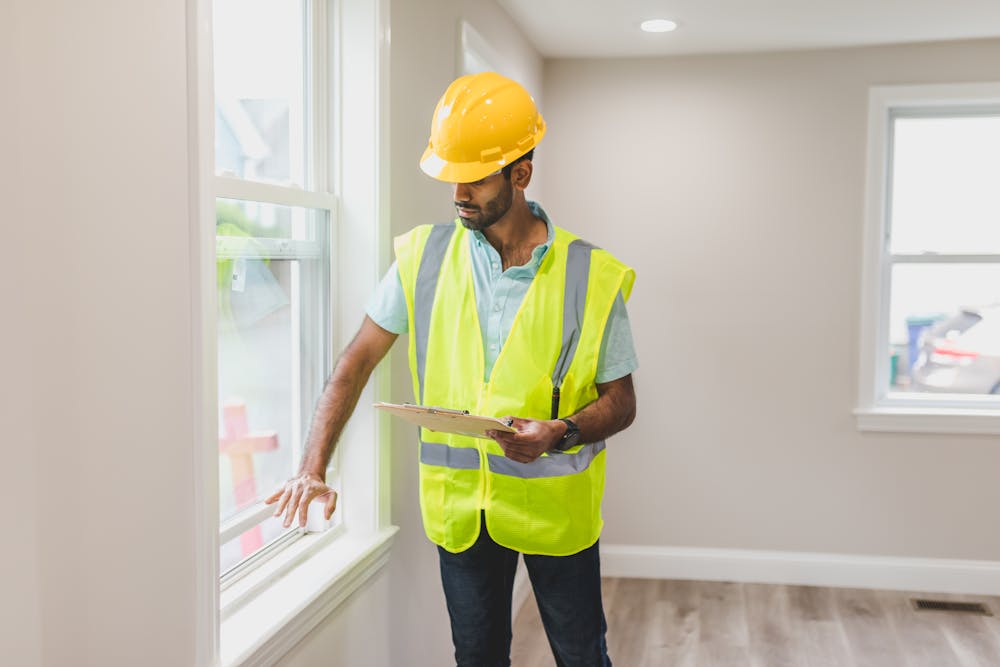
- A home energy audit evaluates how energy is used in a home and identifies areas where energy may be wasted.
- The audit examines key components such as insulation, windows, HVAC systems, appliances, and air leaks.
- Addressing issues discovered during the audit can significantly reduce heating, cooling, and electricity costs.
- Common improvements include sealing air leaks, upgrading insulation, and installing energy-efficient appliances or lighting.
- Homeowners can perform basic DIY energy checks, but professional audits provide more accurate and detailed results.
- Beyond lowering energy bills, energy audits improve indoor comfort, extend equipment lifespan, and reduce environmental impact.
Energy costs continue to rise in many parts of the world, making homeowners more conscious about how efficiently their homes use electricity, heating, and cooling. Many households unknowingly lose energy through air leaks, poor insulation, and outdated appliances. These inefficiencies cause utility bills to climb even when residents try to conserve power.
One of the most effective ways to understand where energy is being wasted is through a home energy audit. This evaluation provides a detailed analysis of how energy flows through a home and identifies areas that can be improved. By addressing these inefficiencies, homeowners can significantly reduce their monthly energy bills while improving comfort and sustainability.
What Is a Home Energy Audit?
A home energy audit is a comprehensive evaluation of a house’s energy efficiency. It examines how energy is used throughout the home and identifies areas where energy may be wasted. The goal is to pinpoint inefficiencies that increase electricity, heating, and cooling costs.
During an audit, professionals assess various parts of the home, including insulation, HVAC systems, windows, lighting, and appliances. They use specialized tools to detect air leaks, poor insulation, and inefficient equipment. The findings are then compiled into a report that provides recommendations for improving efficiency.
Home energy audits are beneficial for both new and older homes. Even newly built houses can have hidden inefficiencies that affect energy consumption. By identifying these issues early, homeowners can make targeted upgrades that lead to long-term savings.
Why Are Energy Bills So High in Many Homes?
Many homeowners assume high energy bills are simply the result of rising utility rates. While prices do play a role, inefficiencies inside the home are often the main cause. Small issues like air leaks or outdated equipment can lead to significant energy waste over time.
Homes constantly exchange air with the outdoors, and uncontrolled leaks allow heated or cooled air to escape. This forces heating and cooling systems to work harder to maintain comfortable temperatures. Over time, this extra strain leads to higher energy consumption and larger utility bills.
Another common cause of energy waste is aging appliances and HVAC systems. Older equipment tends to consume more energy than modern energy-efficient models. Without proper maintenance or upgrades, these systems can significantly increase a household’s energy expenses.
What Happens During a Home Energy Audit?
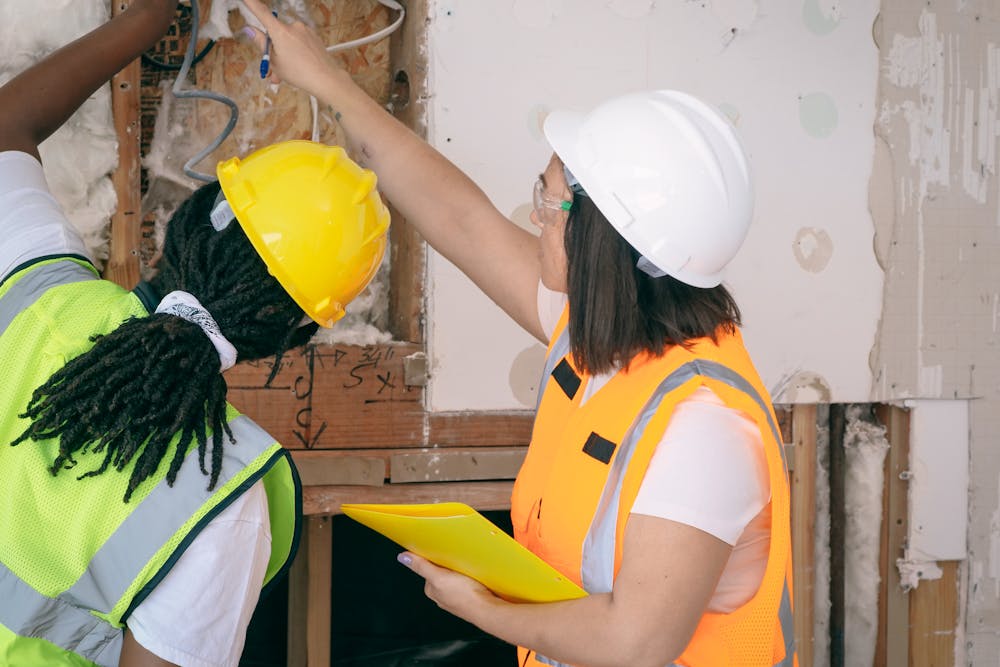
Understanding what happens during a home energy audit helps homeowners prepare for the process and know what to expect. Audits typically involve a detailed inspection of the home’s structure, energy systems, and insulation levels. The goal is to identify areas where energy efficiency can be improved.
Professional auditors use a combination of visual inspections, diagnostic tools, and performance tests. These methods help reveal hidden inefficiencies that may not be visible to homeowners during everyday use. The results provide a clear picture of where energy losses occur.
Key Steps in the Audit Process
A typical home energy audit may include the following steps:
- Initial consultation: The auditor discusses the homeowner’s energy concerns and reviews utility bills.
- Visual inspection: The structure, insulation, windows, and doors are examined for obvious inefficiencies.
- Air leak testing: Tools such as blower doors identify drafts and air leaks.
- Thermal imaging: Infrared cameras detect heat loss through walls, ceilings, and floors.
- Equipment evaluation: HVAC systems, water heaters, and appliances are assessed for efficiency.
Once the inspection is complete, the auditor provides a report outlining the most effective improvements. This report often prioritizes upgrades based on potential energy savings.
What Areas of the Home Are Evaluated?
A home energy audit examines several key areas that influence energy efficiency. Each component plays a role in how well a house retains heat or maintains indoor comfort. By analyzing these areas, auditors can determine where improvements will have the greatest impact.
Insulation and air sealing are usually among the first areas assessed during an energy evaluation because they directly influence a home’s ability to maintain comfortable indoor temperatures. When insulation is inadequate or air leaks are present, warm air can escape during colder months, while excess heat can enter during warmer seasons. This imbalance often causes heating and cooling systems to run longer and consume more energy than necessary.
In addition, windows, doors, and ventilation points are carefully inspected for potential gaps or weak seals. Even small drafts around these areas can lead to noticeable energy loss over time. By identifying these problem spots, homeowners can focus on practical upgrades or repairs that help improve overall energy efficiency and indoor comfort.
Common Areas Checked in an Audit
Auditors typically focus on the following parts of the home:
- Attic insulation and ventilation
- Exterior walls and floors
- Windows and door seals
- Heating and cooling systems
- Ductwork and air distribution
- Lighting and major appliances
By evaluating these areas, the audit provides a complete overview of how energy flows through the home.
How Does a Home Energy Audit Help Reduce Energy Bills?
A home energy audit directly contributes to lower energy costs by identifying specific areas where energy is wasted. Instead of guessing which upgrades might help, homeowners receive data-driven recommendations tailored to their home. This targeted approach ensures improvements deliver measurable savings.
For example, sealing air leaks can dramatically reduce heating and cooling costs. When conditioned air stays inside the home, HVAC systems operate more efficiently and run less frequently. This not only reduces energy bills but also extends the lifespan of the equipment.
Improving insulation is another effective strategy identified during audits. Proper insulation stabilizes indoor temperatures, reducing the need for constant heating or cooling. Over time, these improvements can result in noticeable reductions in monthly utility expenses.
Energy-Saving Improvements Often Recommended
Auditors frequently suggest upgrades such as:
- Sealing air leaks around windows and doors
- Adding insulation in attics or walls
- Upgrading to energy-efficient appliances
- Installing programmable thermostats
- Replacing inefficient lighting with LED bulbs
Each of these improvements targets a specific source of energy waste.
Can You Perform a DIY Home Energy Audit?
While professional energy audits offer the most detailed results, homeowners can perform basic DIY assessments. These evaluations can help identify obvious energy problems before hiring a professional auditor. Many homeowners use DIY audits as a starting point for improving efficiency.
A simple walk-through of the home can reveal issues like drafts, poor insulation, or inefficient lighting. Checking these areas allows homeowners to address easy fixes immediately. Although DIY methods may not detect hidden issues, they still provide valuable insights.
Homeowners should also review their utility bills to identify patterns in energy usage. Sudden increases in energy consumption may indicate inefficiencies that require further investigation. Monitoring energy trends can help determine when a professional audit may be beneficial.
Simple DIY Energy Checks
Homeowners can perform several quick inspections, including:
- Checking for drafts around windows and doors
- Inspecting attic insulation levels
- Looking for gaps around plumbing or electrical openings
- Replacing outdated light bulbs with LED alternatives
- Ensuring HVAC filters are clean and functioning properly
These steps can reveal common inefficiencies that contribute to high energy bills.
How Much Can You Save After an Energy Audit?
The savings from a home energy audit vary depending on the condition of the home and the improvements implemented. However, many homeowners experience significant reductions in energy costs after addressing inefficiencies identified during the audit. Even small upgrades can produce meaningful savings over time.
Energy experts estimate that improving insulation and sealing air leaks can reduce heating and cooling costs by up to 20 percent. Since heating and cooling systems often account for the largest portion of energy usage, these improvements can make a noticeable difference in monthly bills.
Long-term savings also accumulate as energy-efficient upgrades continue to reduce consumption. Over several years, homeowners may recover the cost of the audit and improvements through lower utility expenses. Additionally, increased efficiency can enhance property value and overall comfort.
When Should You Schedule a Home Energy Audit?

Certain situations make a home energy audit particularly valuable. For example, homeowners experiencing unusually high energy bills may benefit from identifying the root causes of inefficiency. An audit can reveal problems that may not be obvious during daily use.
Homes that are older or recently purchased may also require energy evaluations. Older structures often have outdated insulation or inefficient heating systems. Conducting an audit helps homeowners plan upgrades that improve both efficiency and comfort.
Seasonal transitions can also be a good time to schedule an audit. Before winter or summer arrives, identifying inefficiencies allows homeowners to prepare their heating and cooling systems for increased demand. This proactive approach prevents unnecessary energy waste.
Long-Term Benefits Beyond Lower Energy Bills
Although reducing energy costs is a major advantage, home energy audits provide several additional benefits. These improvements often enhance overall comfort and create a healthier indoor environment. By addressing inefficiencies, homeowners gain greater control over their living conditions.
Better insulation and air sealing help maintain consistent indoor temperatures throughout the home. This reduces hot and cold spots that make certain rooms uncomfortable. Improved temperature stability enhances everyday comfort for residents.
Energy-efficient homes also have a smaller environmental impact. By reducing energy consumption, households lower their carbon footprint and contribute to sustainability efforts. These environmental benefits make energy audits an important step toward responsible homeownership.
Final Thoughts
A home energy audit is one of the most effective tools for understanding how efficiently a house uses energy. By identifying areas where energy is lost, the audit provides clear recommendations for improvements that can significantly reduce utility bills. Homeowners gain valuable insights into how their home performs and where upgrades will have the greatest impact.
Beyond lowering energy costs, audits also improve comfort, extend the life of heating and cooling systems, and support environmentally responsible living. Whether performed by a professional or through simple DIY inspections, evaluating energy efficiency is a valuable step toward smarter home management.
For homeowners looking to control rising utility costs, scheduling a home energy audit is a practical and worthwhile investment. The insights gained from the process can lead to long-term savings, improved comfort, and a more energy-efficient home.