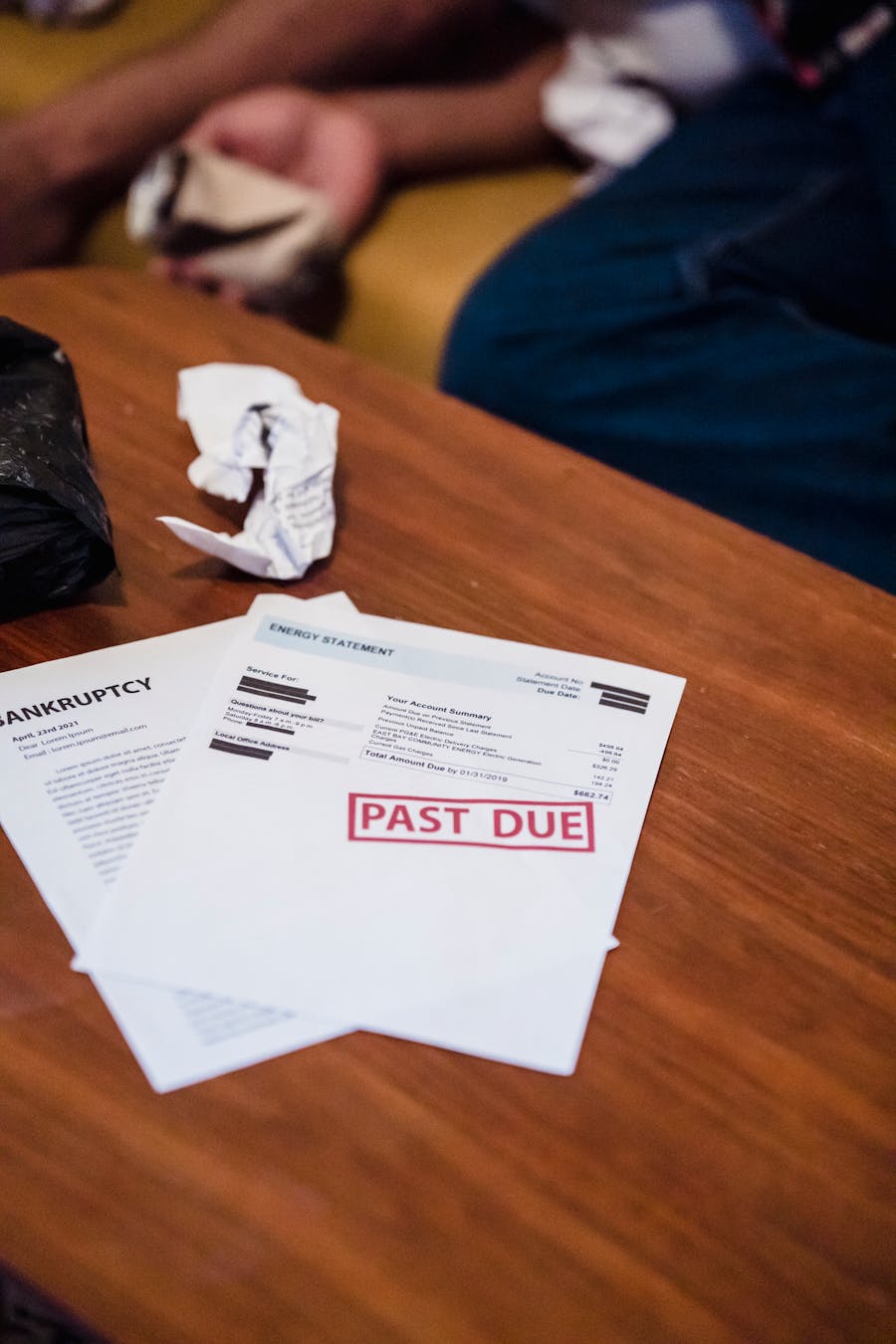
- Rising or unusually high energy bills can be a major sign that your home is losing energy through leaks, poor insulation, or inefficient systems.
- Uneven temperatures between rooms often indicate insulation problems, air leaks, or ductwork issues that reduce overall energy efficiency.
- Drafts near windows, doors, and outlets suggest air leakage, forcing heating and cooling systems to work harder.
- Humid, stuffy, or poorly ventilated indoor spaces may signal hidden energy efficiency problems that require professional evaluation.
- A professional home energy auditor uses specialized tools to identify energy loss and recommend targeted improvements.
- Addressing energy inefficiencies early can lead to lower utility bills, improved comfort, and better indoor air quality.
Many homeowners want to reduce energy costs, improve comfort, and make their homes more environmentally friendly. However, identifying where energy is being wasted is not always easy without expert help. Small issues such as air leaks, outdated insulation, or inefficient systems can significantly increase monthly utility bills without obvious warning signs.
This is where professional energy assessments become valuable. If you’ve ever wondered what a home energy audit is, it is a detailed inspection that evaluates how efficiently your home uses energy and identifies areas where improvements can be made. A trained professional uses specialized tools and expertise to detect problems that may not be visible to homeowners.
Recognizing the early warning signs that your home may need an energy audit can help you prevent unnecessary expenses and improve overall home efficiency.
Why Energy Efficiency Problems Often Go Unnoticed
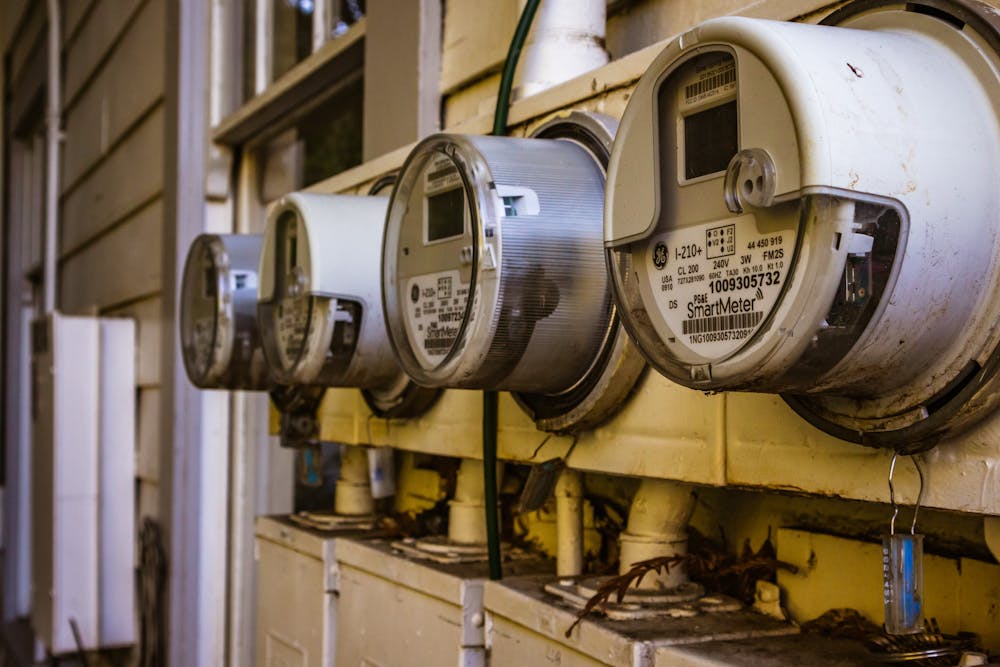
Many energy efficiency issues develop slowly over time, which is why they often go unnoticed until they begin affecting your comfort or utility bills. Homes naturally age, materials degrade, and systems lose efficiency. Without a thorough inspection, homeowners may not realize how much energy is being wasted behind walls, in attics, or around windows and doors.
Small inefficiencies can gradually add up to significant energy loss. For example, a minor air leak may seem insignificant at first, but over time it can increase heating and cooling costs and make certain areas of the home uncomfortable. Because these problems are often hidden, homeowners may continue paying higher energy bills without understanding the cause.
A professional energy evaluation helps uncover these hidden issues. By using diagnostic tools and expert knowledge, an auditor can identify energy leaks, insulation gaps, and inefficient systems. This allows homeowners to make targeted improvements that deliver meaningful long-term savings.
Signs Your Home Needs a Professional Home Energy Auditor
Recognizing when your home requires professional evaluation can help you address problems before they become more expensive to fix. If you notice any of the following warning signs, it may be time to schedule an energy audit.
Unusually High Energy Bills
A sudden or steady increase in utility bills is one of the most common signs of energy inefficiency. If your energy usage hasn’t changed but your bills keep rising, your home may be losing energy through poor insulation, air leaks, or outdated appliances.
An energy auditor can analyze your home’s energy usage patterns and determine where losses are occurring. Identifying these issues early can prevent long-term financial waste.
Uneven Temperatures Throughout the House
Some rooms may feel significantly warmer or colder than others, even when the heating or cooling system is running. This uneven temperature distribution often indicates insulation problems or air leaks.
Common causes include:
- Insufficient attic insulation
- Gaps around doors and windows
- Leaky ductwork
- Poorly sealed walls or ceilings
A professional audit can locate these problem areas and recommend solutions to restore balanced indoor temperatures.
Drafts and Air Leaks
Feeling drafts near windows, doors, or outlets can signal that outside air is entering your home. These leaks force your heating and cooling systems to work harder to maintain comfortable temperatures.
Air leaks are particularly common in older homes, where building materials may have deteriorated over time. An energy auditor often uses specialized equipment, such as blower door tests or thermal cameras, to pinpoint exactly where leaks occur.
Your Home Feels Humid or Stuffy
Poor energy efficiency can also affect indoor air quality. Excess humidity, stale air, or lingering odors may indicate ventilation issues or hidden insulation problems.
An energy auditor can evaluate airflow and identify areas where your home may need improved ventilation or sealing. Addressing these issues not only improves comfort but also helps maintain healthier indoor air conditions.
What Happens During a Home Energy Audit?
A professional energy audit involves a detailed evaluation of your home’s energy performance. The goal is to identify inefficiencies and recommend improvements that can lower energy costs and increase comfort.
During an audit, a trained specialist may perform several assessments, including:
- Inspecting insulation in attics, walls, and crawl spaces
- Checking windows, doors, and vents for air leaks
- Evaluating heating and cooling systems
- Using thermal imaging to detect hidden heat loss
- Conducting a blower door test to measure air leakage
The auditor then provides a report outlining problem areas and suggesting upgrades. These may include sealing air leaks, improving insulation, or upgrading certain systems.
Benefits of Hiring a Professional Energy Auditor

Hiring a professional auditor offers several advantages that go beyond simple energy savings. Their expertise allows homeowners to make informed decisions about improvements that provide the greatest return on investment.
Some key benefits include:
- Lower monthly energy bills
- Improved indoor comfort
- Better indoor air quality
- Reduced environmental impact
- Increased property value
A professional assessment also helps homeowners prioritize upgrades. Instead of guessing which improvements might work, you receive expert recommendations based on actual data from your home.
Conclusion
Energy inefficiency can quietly drain your budget and reduce your home’s comfort. Because many problems occur behind walls or in hidden areas, homeowners may not recognize the warning signs until costs increase or comfort declines.
If you notice rising utility bills, uneven room temperatures, drafts, or poor air quality, these may be clear indicators that your home needs professional evaluation. A trained energy auditor can identify the root causes of energy waste and recommend practical solutions to improve efficiency.
By addressing these issues early, homeowners can enjoy lower energy costs, improved comfort, and a more sustainable living environment. Investing in a professional energy audit is often the first step toward creating a home that works smarter, not harder.